
1. Scope it on site
A shutdown is a list of tasks with a fixed window. The list has to be right, so we walk the plant with whoever knows it best and write every task down: the switchboard section being replaced, the motor being reconnected, the cable being pulled, the lighting being changed while the power's off anyway. The last one matters. A shutdown is the cheapest time to do every job that needs the plant dead, so we ask what else is on the maintenance list.
2. Plan the isolation
Isolation is planned circuit by circuit before the day, with the lock-out points identified and the sequence written down. Where possible we split the plant so one section stays live while another is worked on, which sometimes means the production line doesn't actually stop at all. Where the whole main switchboard has to be de-energised, we know the exact minute that happens and the exact minute it comes back.
3. Build everything you can beforehand
Any part of the job that doesn't need the power off gets done before the shutdown: new cable tray installed, new cables pulled and left unterminated, replacement board sections assembled on the bench, motor bases prepared. On a main switchboard changeover this can be half the labour, moved off the critical path entirely.
4. Size the crew to the window, not the job
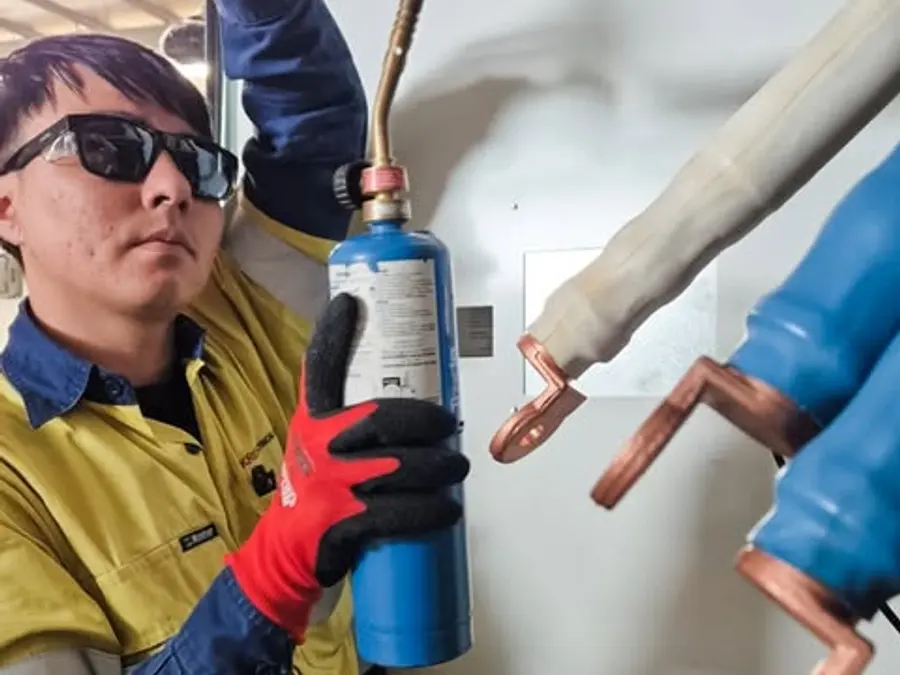
This is where a 12-electrician business is different from a 1-van business. If the shutdown window is 8 hours and the work is 32 labour hours, that's 4 electricians running in parallel with the tasks divided so nobody's waiting on anyone else. The industrial work we do is planned this way as standard; the crew size is a scheduling decision, not a limit.
5. Stage the work
The sequence is written so the plant can be brought back in stages if something runs long. Critical process first, then ancillary services, then the nice-to-haves. If the last task isn't finished by the deadline, the plant runs anyway and the last task gets a second visit. That decision is made in the planning, not at 5am with the operators arriving.
6. Test before restart
Every circuit that was touched is tested before it's energised: insulation resistance, continuity, polarity, RCD trip times, phase rotation on motors. Then each section is energised and checked with the plant running under no load, then under load. The test record goes in the maintenance file. A Certificate of Compliance is issued for the installation work.
What a well-run shutdown looks like from the client's side
- A written scope and sequence a week before, with the exact isolation times.
- Nothing on site on the day that could have been built beforehand.
- More electricians than you expected, each on a separate task.
- The plant back early, with a test record and a list of anything found along the way.
If you've got a shutdown coming up, the best time to talk is before the date is locked in. We'll walk the plant, write the scope, and tell you honestly whether it fits the window.
Need this done rather than read about? See industrial electrician or request a free quote.